

Weekly Alpha: Coldcard Security Alert

What’s Happening
Latest Price Action
Bitcoin has come under pressure this week, with price tumbling lower and ending the seven-day period down -4.37%. While there is rarely a single reason for short-term market moves, the recent Coldcard hack fears appear to have added to the unease, shaking confidence and contributing to the latest bout of weakness.
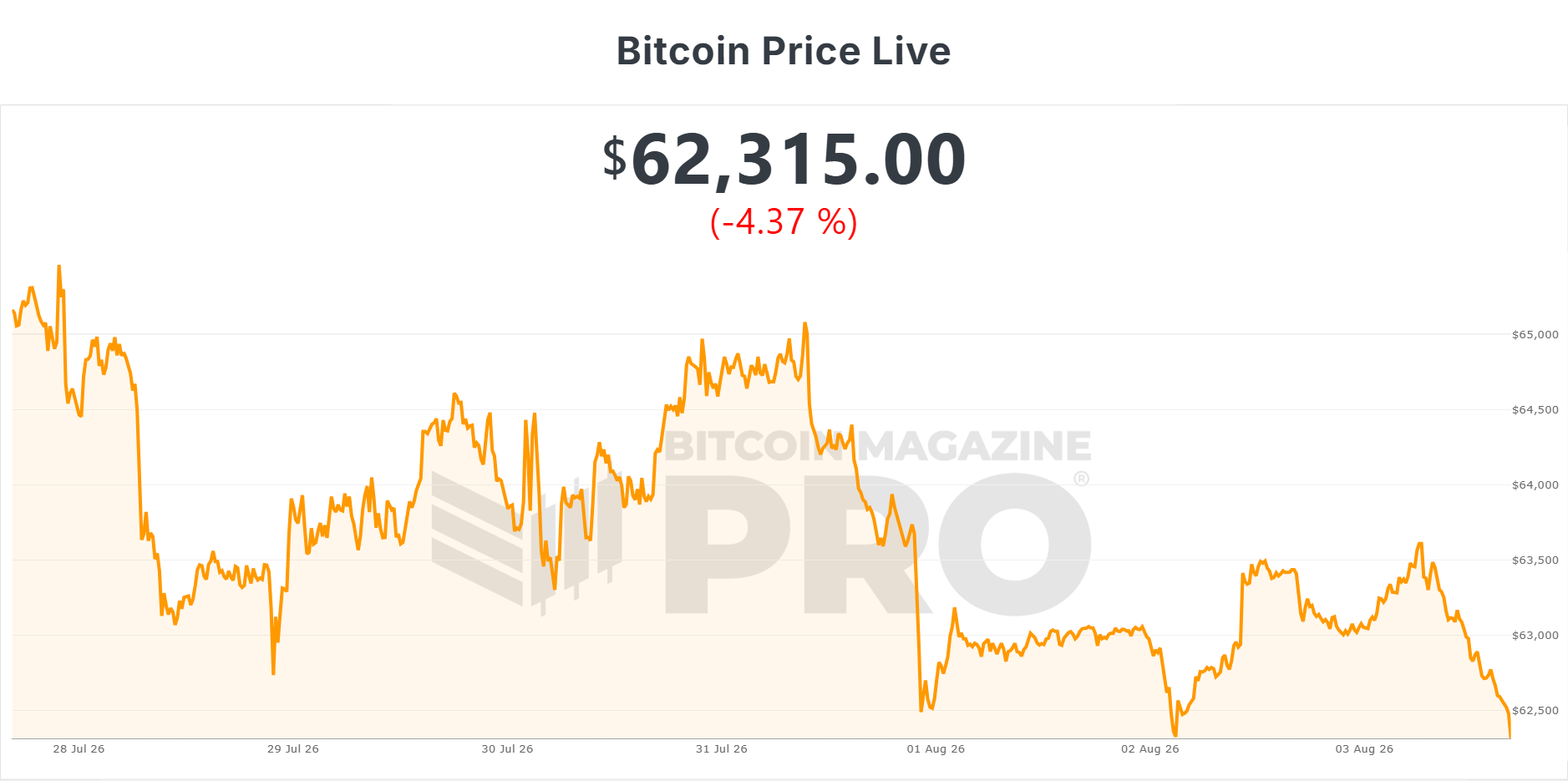
Figure 1: BTC past week price action.
When we zoom out a little further, the picture is still one of chop rather than trend. Over the past month, BTC is now broadly flat, down just -0.24%, which gives a good sense of the frustrating late-stage bear market environment we are in. Price has moved around plenty, but without delivering a decisive move in either direction, testing the patience of holders along the way.
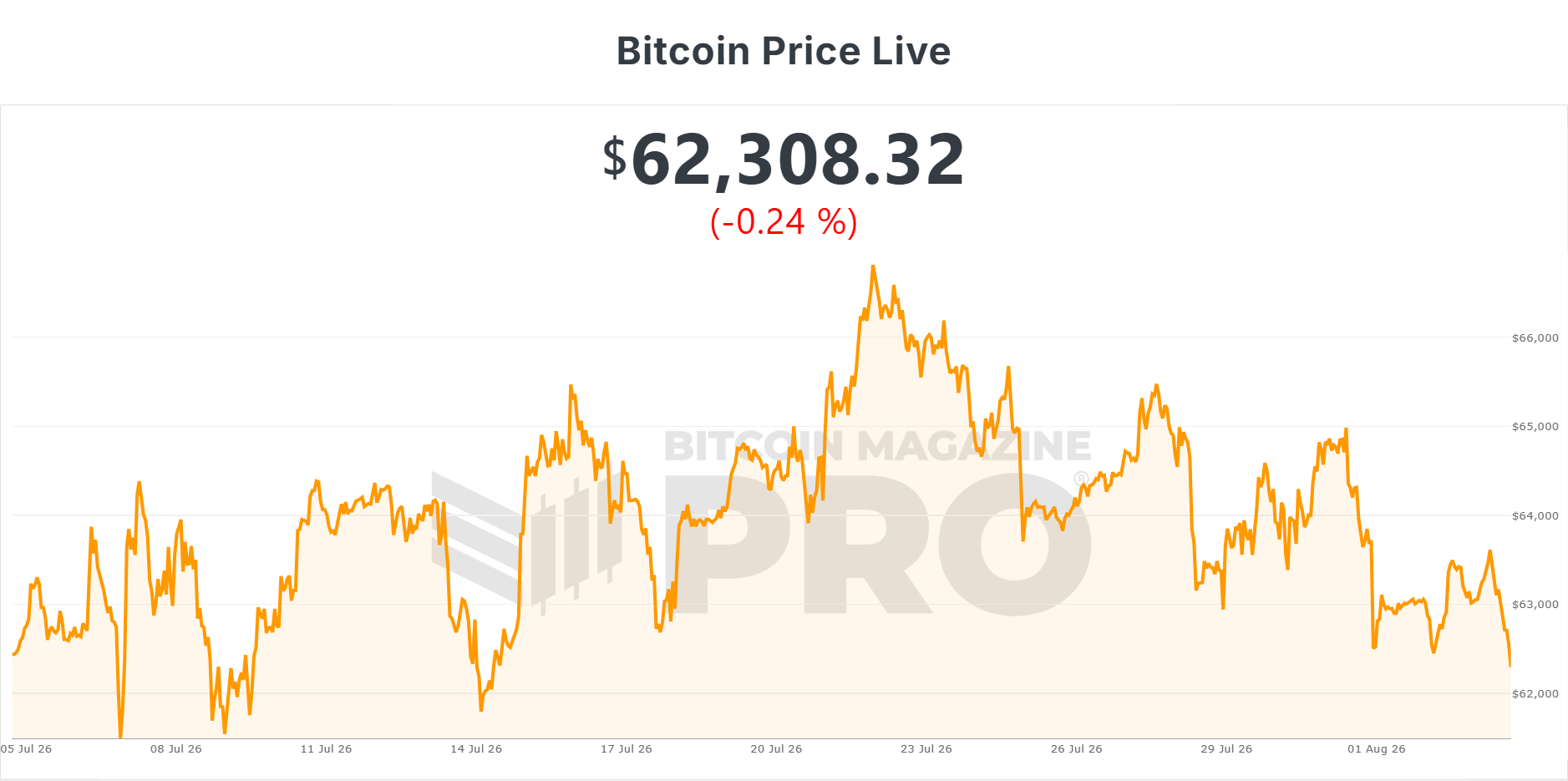
Figure 2: BTC past month price action.
Zooming out further still, Philip Swift’s latest Q3 Market Map continues to show Bitcoin trading in the Great DCA area. The key difference versus last week is that BTC has now slipped back below the 200 week moving average, which is a mild negative from a technical perspective and may dent some of the optimism that had started to creep back into the market.
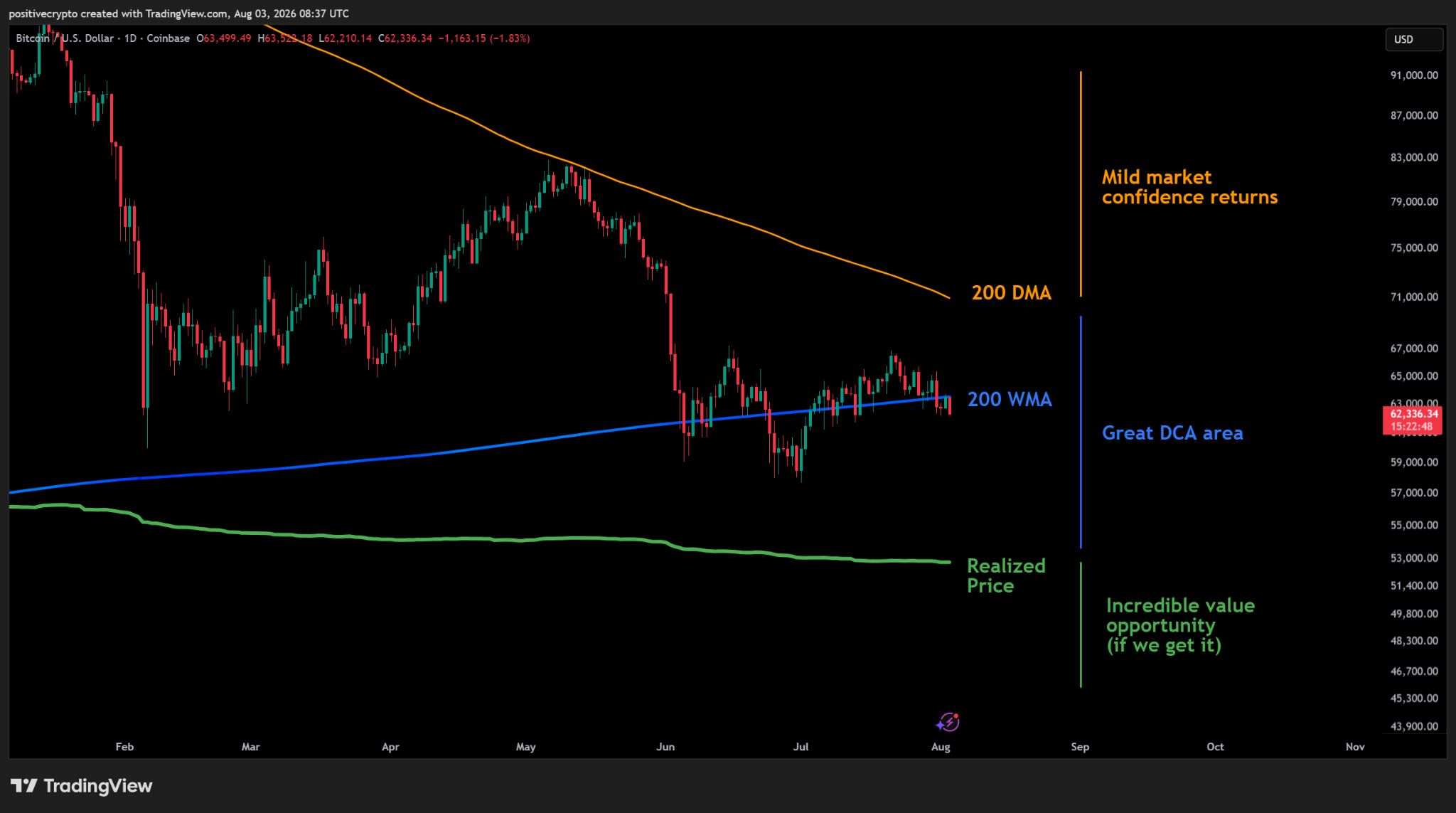
Figure 3: Bitcoin Q3 Market Map, showing BTC now below the 200WMA but still in the DCA zone.
That said, the bigger picture remains the same for now. BTC is still trading in what we view as a strong long-term accumulation area. A move back above the 200WMA would help restore some confidence, while a reclaim of the 200DMA would be the more meaningful signal that sentiment is starting to shift more decisively. However, it is now important to see what the exact fallout from the ColdCard hack will be over the coming days.
Coldcard Security Alert: What You Need to Know
For our main story this week, we are making a small change from our usual format given the seriousness of the Coldcard security issue and what it could mean for anyone who has used one of these devices.
Below is a clear overview of what happened, who may be affected, and what Coldcard users should now consider.
Please take this seriously, but do not panic.
A flaw was discovered in the seed-generation process used by certain Coldcard firmware versions. The problem appears to date back to a major firmware release in March 2021 and reduced the randomness used when generating some wallet recovery phrases. Rather than producing seeds with the expected level of cryptographic randomness, affected devices could create seeds from a much smaller range of possibilities, potentially allowing an attacker to calculate the private keys.
The incident initially came to light after roughly 594 BTC was reportedly drained from around 500 wallets in less than 30 minutes. Galaxy Research has since tracked several waves of theft involving approximately 1,367 BTC across more than 4,500 addresses, worth around $88.6 million at the time of reporting. As this remains an active situation, those figures may continue to change.
Reports indicate that potentially affected devices span several Coldcard generations, including the Mk3, Mk4, Q and newer Mk5, with some reporting also referencing the older Mk2. These models were introduced over a number of years, including the Mk3 in 2019, Mk4 in 2022, Q in 2023 and Mk5 in 2026.
However, the key issue is not simply which Coldcard model someone owns. The important question is when and how the wallet’s original seed was generated, and which firmware was running at that time.
Seeds later imported into another hardware wallet may still carry the original weakness. Simply changing devices does not necessarily solve the problem if the same recovery phrase continues to be used.
Risk may also differ depending on how the wallet was originally configured. The available guidance suggests that users who added at least 50 genuinely random, private dice rolls during seed generation may have additional protection. A strong BIP39 passphrase or a properly constructed multi-signature setup may also reduce exposure, although users should not assume that these automatically make every setup safe.
What should Coldcard users consider?
Anyone who has used a Coldcard should review the latest official security advisory on Coldcard’s website to understand whether their particular model, firmware and seed-generation process may be affected.
It is also worth being especially cautious of phishing attempts or unsolicited messages offering help. Recovery phrases should never be entered into websites, online checking tools, support forms or messages.
Those who believe their wallet could be exposed may wish to consider moving their bitcoin to a newly created secure wallet using a completely fresh seed. Given the risks involved in moving funds, anyone who is uncertain should take their time and consider seeking help from a trusted Bitcoin security professional.
The key point is to remain calm, verify information through official sources and avoid rushing into a mistake while under pressure.
Stay safe.
The Bitcoin Magazine Pro Team
Bitcoin Magazine Pro

For more detailed Bitcoin analysis and to access advanced features like live charts, personalized indicator alerts, and in-depth industry reports, check out Bitcoin Magazine Pro.
Make Smarter Decisions About Bitcoin. Join millions of investors who get clarity about Bitcoin using data analytics you can’t get anywhere else.
We don’t just provide data for data’s sake, we provide the metrics and tools that really matter. So you get to supercharge your insights, not your workload.
Take the next step in your Bitcoin investing journey:
Follow us on X for the latest chart updates and analysis.
Subscribe to our YouTube channel for regular video updates and expert insights.
Follow our LinkedIn page for comprehensive Bitcoin data, analysis, and insights.
Explore Bitcoin Magazine Pro to access powerful tools and analytics that can help you stay ahead of the curve.
Invest wisely, stay informed, and let data drive your decisions. Thank you for reading, and here’s to your future success in the Bitcoin market!
Disclaimer: This newsletter is for informational purposes only and should not be considered financial advice. Always do your own research before making any investment decisions.